
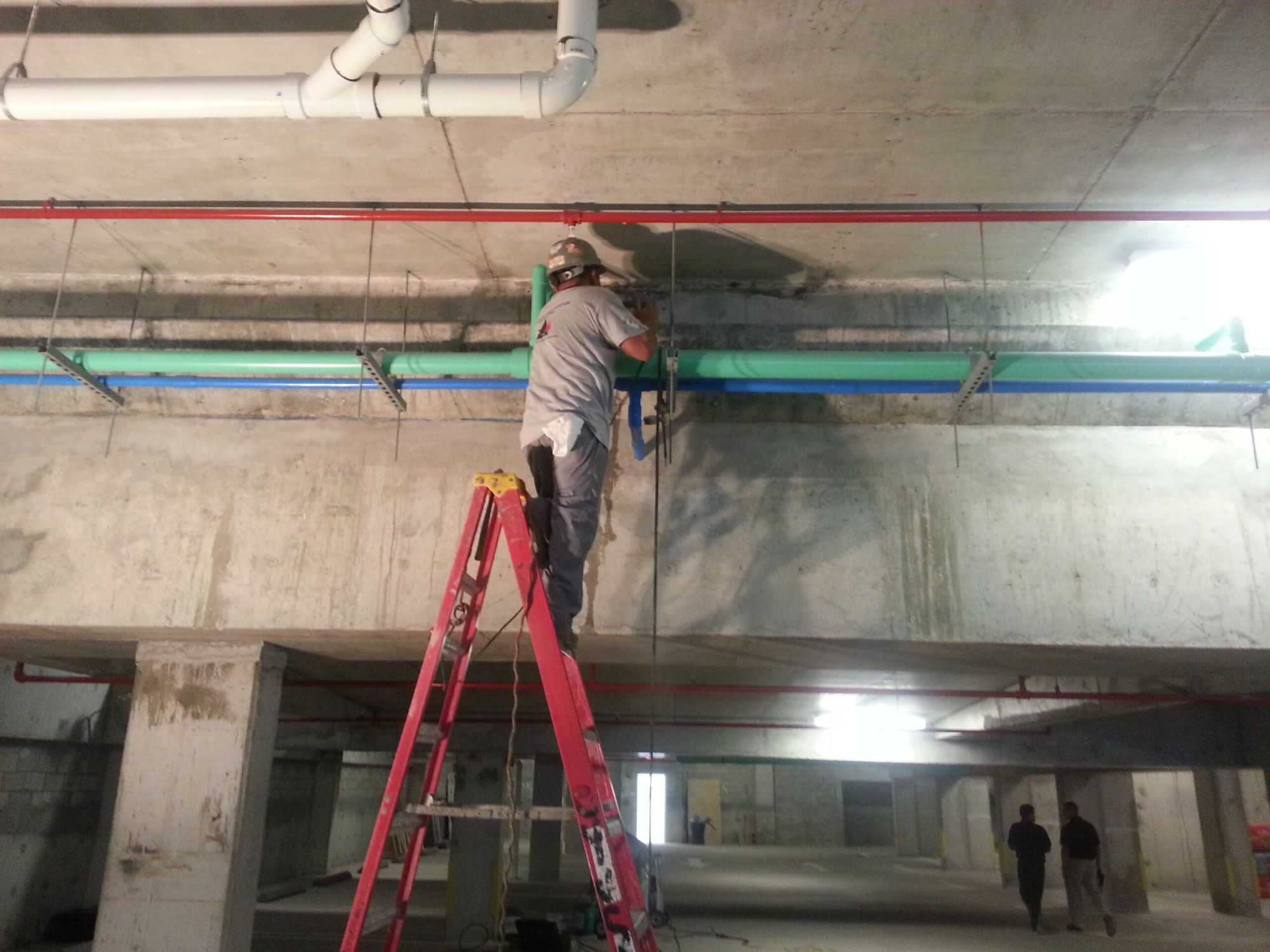
Polyurethane Crack Injection & Leak Repair in South Florida
When water is coming through concrete, polyurethane injection stops it. The resin reacts with the water in the crack, expands into a flexible seal and stays watertight as the structure moves.
Polyurethane Crack InjectionIn South Florida
Polyurethane Injection inSouth Florida
The fastest way to stop water coming through concrete
Polyurethane injection is built for leaks. Hydrophobic and hydrophilic polyurethane resins are injected into a wet or actively leaking crack, where they react with the water, foam and expand to fill the crack and the voids behind it. The resin cures and stays flexible, so the seal holds as the concrete expands and contracts. PRS specializes in polyurethane crack injection in South Florida and has built a reputation for being a leader in concrete leak repairs.
That flexibility is why polyurethane works so well in South Florida. Garage decks, below-grade walls and elevator pits sit against a high water table, and slabs move with daily heat cycles. A rigid repair on a moving crack will often crack again beside the repair. A flexible polyurethane seal moves with it.
We inject with a Graco ES-290 polyurethane pump, which delivers the steady high pressure needed to push resin through dense concrete and into the water path, even with water running.
At a glance
- Best forActive leaks and cracks that move
- MaterialHydrophobic or hydrophilic polyurethane resin
- Typical locationsGarage ceilings, walls, elevator pits, basements, tunnels
- DisruptionLow. Can be done while water is flowing
How it works
Our polyurethane injection process
Find the water path
We trace where water is entering, not only where it drips, and check for joints, tie holes and pipe penetrations.
Drill and set packers
PRS drills at an angle to intersect the crack inside the slab or wall, then fit with mechanical packers for injection.
Flush the crack
Water is flushed through the crack to clear debris and give the resin a clean path.
Inject resin
Polyurethane is pumped port to port until it pushes out the water and foams through the crack.
Verify and clean up
We remove packers, patch the holes and check the area for any remaining moisture.
Applications
Where we use polyurethane injection
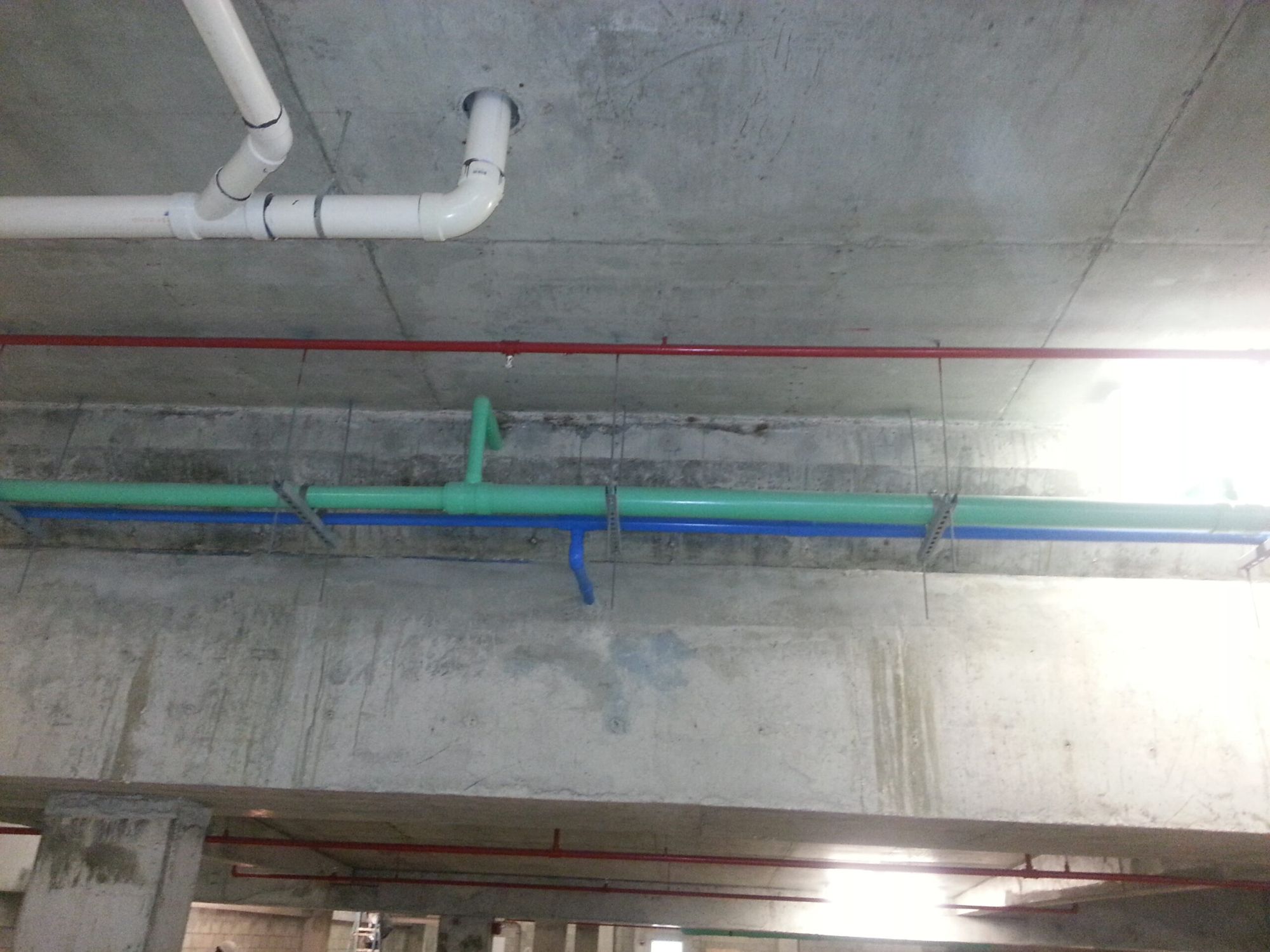
- Leaking parking garage ceilings and slabs
- Below-grade and basement walls
- Elevator pits and sump pits
- Construction and cold joints
- Tie holes and pipe penetrations
- Tunnels, vaults and utility chambers
- Planters and plaza decks
- Water and wastewater structures
Warning signs
When to call about polyurethane injection
Not sure what you are looking at? Send us a photo or book a site visit and we will tell you what the crack or leak needs.
Drips from garage ceilings
Water dripping onto cars is a sign that a crack or joint above is letting water through.
White crust on concrete
Efflorescence means water is carrying minerals through the concrete and leaving them on the surface.
Water in elevator pits
Elevator pits sit below the water table and are a common source of leaks and inspection findings.
Damp or stained walls
Dark stains or damp patches on below-grade walls point to water moving through cracks or joints.
Rust staining
Water reaching the reinforcing steel leaves rust trails. Stopping the water early protects the structure.
Leaks after heavy rain
Leaks that show up after storms point to a crack or joint that opens a path when the ground is saturated.
Choosing the right repair
Hydrophobic vs. hydrophilic resin
Hydrophobic polyurethane repels water once it cures and works well against high-volume leaks and fluctuating water tables. Hydrophilic polyurethane absorbs water and swells, which suits damp cracks and joints that stay wet. We choose the resin type on the basis of the leak, the structure, and any engineer’s specification.
If a crack also needs a structural repair, we can follow up with epoxy injection once the water leak stops.
FAQ
Polyurethane Injection questions
Can you inject a crack while it is actively leaking?
Yes. Polyurethane reacts with water, so it works on wet and actively leaking cracks. That is one of its main advantages over other repair methods.
Is polyurethane injection a permanent fix?
Polyurethane injection is designed to be a long-term repair. The cured resin stays flexible, so it continues to seal as the concrete moves with temperature and loading.
Does polyurethane add structural strength?
No. Polyurethane is a waterproofing repair. If a crack needs strength restored, we use structural epoxy after the leak is sealed.
Do we need to close the garage?
Usually only the bays directly under the work are closed while ports are set and injected. We plan the work to keep as much of the garage in use as possible.
Can you stop leaks at joints and pipe penetrations?
Yes. Cold joints, construction joints, tie holes and pipe penetrations are common leak points, and polyurethane injection is well suited to all of them.
Related services
More ways we protect concrete
Serving Palm Beach County, Broward County, Miami-Dade County.
Free on-site estimate
Get a polyurethane injection estimate
Tell us what you are seeing and where. We will inspect the site, explain the repair in plain terms and give you a written estimate at no cost.